

EP4CE15E22I7N FPGAs: Features, Applications and Datasheet
2025-05-23 14:48:07 782
EP4CE15E22I7N Description
The EP4CE15E22I7N is a Cyclone IV E FPGA from Intel (formerly Altera), designed for industrial-grade applications where power efficiency and moderate logic density are required. With 15,408 logic elements and a robust set of peripherals, this 144-pin EQFP device is ideal for compact designs that demand reliable programmable logic in harsh environments.
EP4CE15E22I7N Features
15,408 logic elements
516 Kbits of embedded memory
179 user I/O pins
2 integrated PLLs
1.2V core voltage (3.3V I/O tolerant)
EQFP-144 package (22mm × 22mm)
Industrial temperature range: -40°C to +100°C
Supports AS, PS, and JTAG configuration modes
Low static and dynamic power consumption
RoHS compliant and eco-friendly
EP4CE15E22I7N Applications
Industrial automation systems
Embedded vision and control units
Consumer electronics controllers
Medical imaging and diagnostics equipment
Communication protocol adapters
Custom data acquisition modules
FPGA educational and development kits
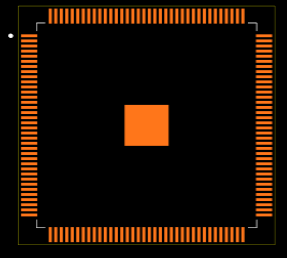
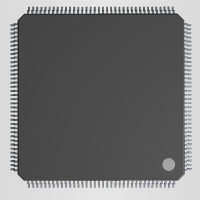
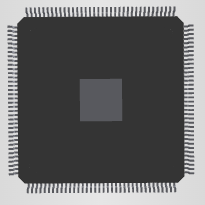
EP4CE15E22I7N CAD Model
Footprint
3D Model

EP4CE15E22I7N Alternatives
EP4CE22F17I7N – More logic elements, smaller footprint
EP3C16F256C8N – From Cyclone III family, similar logic range
LFE5U-25F-6BG256C – Lattice ECP5 series, newer architecture
XC6SLX16-2CSG324I – Xilinx Spartan-6, more RAM blocks
10CL025YU256I7G – Intel Cyclone 10 LP, similar range with enhanced features
EP4CE15E22I7N Manufacturer
Intel Corporation is a global technology leader renowned for designing and manufacturing innovative semiconductor products. Founded in 1968 and headquartered in Santa Clara, California, Intel is best known for its high-performance microprocessors, chipsets, FPGAs, and memory technologies that power everything from personal computers to data centers, industrial systems, and edge devices. With a strong focus on research, sustainability, and advanced manufacturing, Intel plays a critical role in driving digital transformation across industries worldwide. Through its cutting-edge solutions, the company continues to shape the future of computing, artificial intelligence, and connectivity.
EP4CE15E22I7N FAQs
Question: Does EP4CE15E22I7N support DDR2 interfaces?
Answer: Not natively. It requires soft controller IP cores and careful timing constraints.
Question: What is the allowable core voltage range?
Answer: 1.2V ± 5%. Overvoltage may cause permanent damage.
Question: Can I use Quartus Prime Lite Edition for development?
Answer: Yes, Quartus Prime Lite fully supports Cyclone IV series.
Question: How many global clock networks does this FPGA offer?
Answer: It supports up to 20 global clocks, enabling complex timing structures.
Question: Is it suitable for passive cooling (fanless) designs?
Answer: Yes, its low power profile and industrial temperature tolerance make it ideal for fanless systems.


