

EP3C5F256I7N FPGAs: Features, Alternatives and Datasheet
2024-12-09 10:50:47 1332
EP3C5F256I7N Description
The EP3C5F256I7N is part of Altera's Cyclone III FPGA family. It is a low-cost, low-power FPGA designed for a wide range of applications. This model features 5,136 logic elements, 26 embedded multipliers, and 85 KB of embedded memory. The device comes in a 256-pin FineLine BGA package, offering high I/O pin density in a compact footprint. It operates in an industrial temperature range, making it suitable for demanding environments.
EP3C5F256I7N Features
Logic and Storage Resources:
5,136 logic elements for custom logic implementation.
85 KB of embedded memory for efficient data handling.
High I/O Count:
Up to 156 user I/Os for versatile connectivity.
Power Efficiency:
Designed for low power consumption, making it ideal for portable and energy-sensitive applications.
Operating Temperature Range:
Industrial grade, supporting -40°C to 100°C.
Integrated Multipliers:
26 embedded multipliers for efficient DSP functions.
Package:
Compact 256-pin FineLine BGA (Ball Grid Array) package.
Clock Management:
Built-in PLLs for robust clock signal management.
EP3C5F256I7N Applications
Consumer Electronics:
Digital signal processing for audio and video applications.
Industrial Control:
Automation systems and programmable controllers.
Communications:
Interface bridging, data routing, and protocol processing.
Medical Devices:
Imaging and diagnostic equipment requiring real-time processing.
Embedded Systems:
Used in system-on-chip designs for cost-sensitive markets.
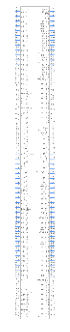
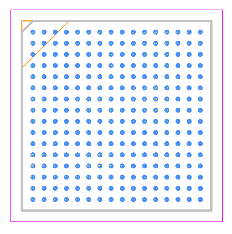
EP3C5F256I7N CAD Model
Symbol
Footprint
3D Model


EP3C5F256I7N Alternatives
EP3C5T144I7N: A similar Cyclone III FPGA with a smaller pin count.
EP4CE6F256I7N: Part of the Cyclone IV family with upgraded capabilities.
XC6SLX9-2FTG256C (Xilinx): A comparable FPGA with similar logic and I/O resources.
ICE40HX8K-BG121 (Lattice): A low-power FPGA with a focus on mobile applications.
MAX10 Series (Intel): Non-volatile FPGAs with additional features like ADCs.
EP3C5F256I7N Manufacturer
Altera was a leading semiconductor company specializing in the design and manufacture of programmable logic devices (PLDs), such as FPGAs (Field-Programmable Gate Arrays), CPLDs (Complex Programmable Logic Devices), and structured ASICs. Founded in 1983 and headquartered in San Jose, California, Altera gained recognition for its innovation in programmable logic solutions, catering to diverse industries including telecommunications, automotive, industrial, and consumer electronics.
In 2015, Altera was acquired by Intel Corporation, becoming a key part of Intel's Programmable Solutions Group (PSG). This acquisition allowed Intel to integrate FPGA technology into its data center, IoT, and embedded system offerings. Today, Altera's FPGA families, such as Cyclone, Arria, and Stratix, continue to be developed and marketed under the Intel brand.
EP3C5F256I7N FAQs
What is the primary operating voltage for EP3C5F256I7N?
The core voltage is 1.2V, while the I/O voltages can range between 1.2V and 3.3V depending on the configuration.
What development tools are compatible with EP3C5F256I7N?
The FPGA can be programmed and configured using Intel Quartus Prime software.
Is the EP3C5F256I7N suitable for high-temperature industrial environments?
Yes, it is rated for an industrial temperature range of -40°C to 100°C.
How many PLLs are available on the EP3C5F256I7N?
This FPGA has two PLLs for advanced clock management.
Can the EP3C5F256I7N be used in low-power applications?
Yes, the Cyclone III family is specifically designed for low-power consumption, making it suitable for energy-sensitive designs.


