

10M02SCE144C8G FPGAs: Features, Applications and Datasheet
2025-02-12 10:02:29 744
10M02SCE144C8G Description
The 10M02SCE144C8G is a low-power, low-cost FPGA (Field Programmable Gate Array) from Intel (formerly Altera), part of the MAX® 10 series. It is a compact FPGA designed for a wide range of applications in embedded systems, consumer electronics, automotive, industrial, and communication systems. It provides flexibility, reliability, and high-performance capabilities in a small package.
10M02SCE144C8G Features
Low Power Consumption: Designed for low-power applications, ensuring efficiency in portable and battery-powered systems.
Compact Size: 144-pin package (C8G), ideal for space-constrained applications.
Flash-based Configuration: It includes an internal flash memory for configuration storage, removing the need for external memory components.
Integrated Power Management: Built-in voltage regulation and power management for efficient system integration.
Wide Temperature Range: Supports industrial applications with operational temperatures ranging from -40°C to +100°C.
Logic Density: Contains 2,000 logic elements (LEs), offering flexibility in design while maintaining compact size.
10M02SCE144C8G Applications
Consumer Electronics: Used in digital signal processing (DSP), video/audio processing, and multimedia applications.
Automotive: Employed for sensor integration, infotainment systems, and ADAS (Advanced Driver Assistance Systems).
Industrial Automation: In robotics, motion control, and manufacturing equipment.
Embedded Systems: Suitable for embedded designs that require FPGA customization without high power consumption.
Communications: Used in telecommunications for low-latency and high-speed processing.
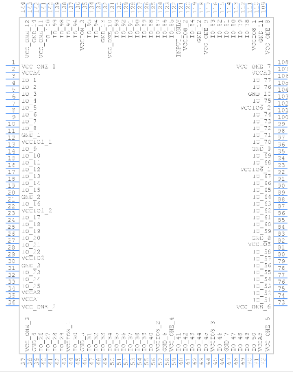
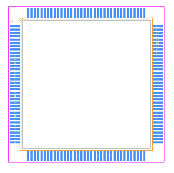
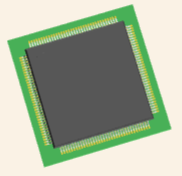
10M02SCE144C8G CAD Model
Symbol
Footprint
3D Model

10M02SCE144C8G Alternatives
Lattice iCE40 Series: Offers similar low-power consumption and flexibility for compact designs.
Xilinx Spartan-6 FPGA: A good alternative for high-performance, low-cost FPGAs with greater resources.
Intel Cyclone IV: Another Intel FPGA option for applications requiring a balance of performance and low power.
10M02SCE144C8G Manufacturer
Intel Corporation is a global leader in semiconductor manufacturing, known for its innovative processors, memory, and other computing technologies. Founded in 1968, the company is at the forefront of developing products that power a wide range of devices, from personal computers and servers to IoT and automotive applications. Intel is renowned for its contributions to the advancement of artificial intelligence, 5G, and cloud computing, shaping the future of technology. With a strong commitment to research and development, Intel continues to drive digital transformation and innovation worldwide.
10M02SCE144C8G FAQs
How do I configure the 10M02SCE144C8G?
The configuration is done using its internal flash memory, allowing for easy setup without the need for external configuration memory.
What are the power requirements for the 10M02SCE144C8G?
It operates at a low voltage of 3.3V with integrated power management features that allow it to function efficiently in battery-powered applications.
Can I use the 10M02SCE144C8G for automotive applications?
Yes, it is designed to operate in a wide temperature range, making it suitable for industrial and automotive environments.
How many logic elements does the 10M02SCE144C8G have?
The FPGA contains 2,000 logic elements (LEs), providing a balance of flexibility and compactness for a variety of designs.
What is the maximum operating temperature for the 10M02SCE144C8G?
The maximum operating temperature is 100°C, making it suitable for industrial-grade applications that require robust performance under temperature stress.


